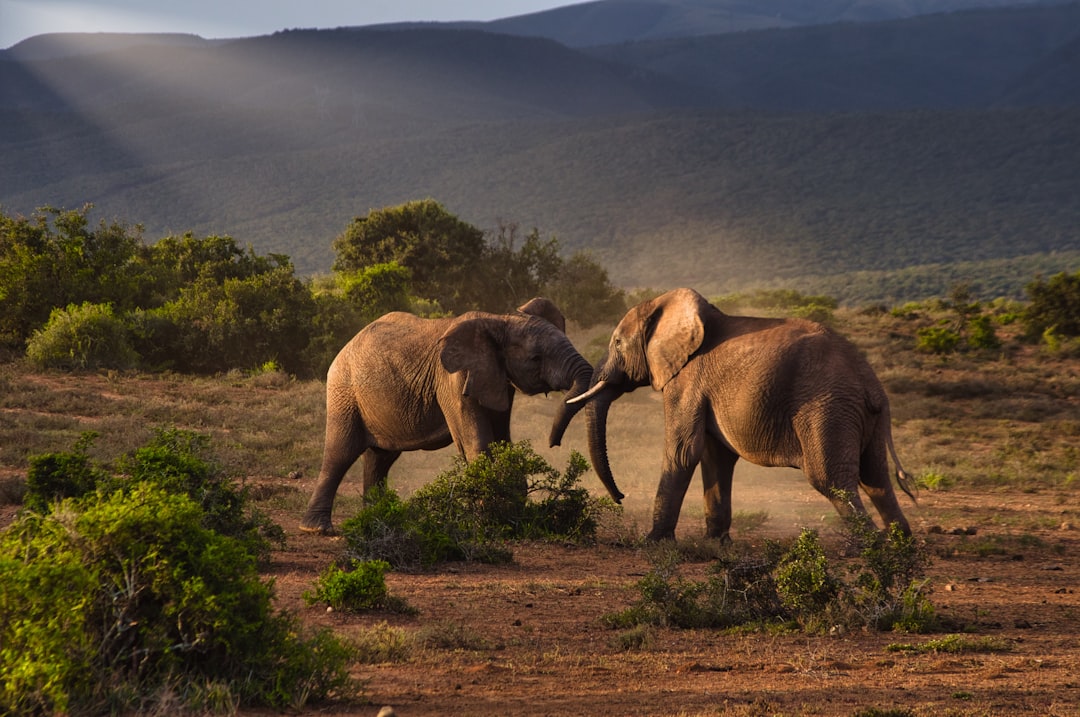
The Serengeti is often described through its biggest spectacles: sweeping plains, dramatic predator sightings, and the movement of the Great Migration. Yet the park becomes even more compelling when you look beyond the obvious. The most memorable journeys are rarely defined by a checklist alone. They are shaped by silence before sunrise, by a kopje glowing in late light, by a quieter region where the landscape feels more intimate and the wildlife encounters more personal. That is where seasoned Tanzania travel experts tend to look first.
What Tanzania travel experts notice first in the Serengeti
Experienced safari planners know that the Serengeti is not one single experience. It is a vast ecosystem with shifting moods, distinct regions, and subtle seasonal changes that affect everything from animal movement to the quality of light. Travelers who assume the park offers the same kind of game viewing everywhere often miss its real sophistication.
The hidden gems are not always secret in the literal sense. Often, they are the places and moments that receive less attention because they do not fit the standard safari shorthand. A granite outcrop where lions rest through the heat of the day. A riverine stretch rich with birdlife and crocodiles. A remote northern landscape where the crowds thin and the drama deepens. This is one reason many travelers consult Tanzania travel experts when building a safari that feels thoughtful rather than generic.
For a business such as Safari Roam, known for Tanzania safaris, tours, fly-in journeys, and Zanzibar extensions, the real value is not simply arranging access. It is helping travelers understand how different Serengeti areas fit together, and which style of journey suits their pace, interests, and season of travel.
Hidden gems in Serengeti that reward a slower eye
Some of the Serengeti’s most rewarding places are hidden in plain sight. They may not carry the immediate name recognition of headline migration crossings, but they reveal depth, beauty, and atmosphere in ways that stay with travelers long after the trip ends.
| Area | What makes it special | Best for | Practical note |
|---|---|---|---|
| Moru Kopjes | Granite formations rising from the plains, often attracting lions and offering striking scenery | Landscape lovers, big cats, photography | Excellent when combined with central Serengeti routes |
| Western Corridor | River systems, denser vegetation, and a different rhythm from the open central plains | Repeat visitors, mixed habitats, quieter drives | Works well in itineraries focused on seasonal movement |
| Lobo and the northeast | Rolling terrain, lower vehicle density, and a remote feel | Travelers seeking space and atmosphere | Especially appealing for longer stays |
| Northern Serengeti | Dramatic landscapes, excellent wildlife viewing, and a more exclusive feel in many areas | Migration season, fly-in safaris, quieter luxury trips | Ideal for travelers who want less transit time on the ground |
Moru Kopjes stands out because it changes the visual language of the Serengeti. After hours of open grassland, the rock formations create drama and shelter. Wildlife often gathers around these natural structures, and the scenery offers a sense of place that feels distinctly different from the endless plains most people imagine.
The Western Corridor has a mood of its own. It is greener in parts, shaped by river systems, and often feels less exposed than central Serengeti. For travelers who enjoy variation, it can be one of the most satisfying areas in the park. The north, meanwhile, is often prized for migration timing, but even outside that headline event, it offers a beautiful sense of remoteness and refinement.
Why timing matters as much as location
One of the clearest insights Tanzania travel experts bring to safari planning is that a hidden gem is often about timing, not just geography. The same region can feel entirely different depending on month, rainfall, grass height, and wildlife movement. A great Serengeti journey is therefore less about seeing everything and more about seeing the right places at the right time.
That principle matters for first-time visitors who want classic wildlife viewing, but it is especially important for travelers hoping to avoid rushed days and crowded sightings. Shoulder seasons can be deeply rewarding. Early morning and late afternoon game drives often deliver a more atmospheric experience than the middle of the day. Even choosing two carefully matched camp locations instead of trying to cover too much ground can transform the trip.
In practical terms, a well-shaped itinerary usually benefits from these priorities:
- Depth over distance: Fewer regions, explored properly, often outperform ambitious multi-stop routes.
- Seasonal fit: Travel dates should guide the Serengeti area, not the other way around.
- Balanced pacing: Game drives, rest time, and scenic transitions should support the experience rather than exhaust it.
- Smart logistics: Fly-in options can reduce long transfer times and preserve energy for the safari itself.
This is also where Safari Roam can fit naturally into the planning conversation, particularly for travelers combining a Serengeti stay with a fly-in route or a softer finish on the coast in Zanzibar. The advantage is not extravagance for its own sake, but a more graceful use of time.
The quieter experiences many visitors overlook
Hidden gems in the Serengeti are not limited to map points. Some of the most valuable experiences come from adjusting expectations and allowing the landscape to reveal itself gradually. A safari becomes richer when it includes not only sightings, but texture.
Travelers often remember these quieter moments with unusual clarity:
- Watching the plains wake up: Dawn in the Serengeti has a pace and stillness that can feel more powerful than the busiest wildlife hour.
- Paying attention to smaller life: Birds, tracks, insects, and changing vegetation add context to the larger animal encounters.
- Lingering at a scenic viewpoint: Not every stop needs to be dramatic to be memorable. Sometimes the landscape itself is the event.
- Staying longer in one camp: A sense of familiarity with one area often leads to more rewarding and less hurried game viewing.
This slower approach is especially valuable for photographers, families, and repeat safari-goers who no longer want a trip built only around urgency. It also encourages a better understanding of the Serengeti as an ecosystem rather than a sequence of animal sightings.
How Tanzania travel experts shape a more rewarding Serengeti itinerary
The best itineraries feel effortless because the decisions behind them are so well judged. That may mean pairing central Serengeti with the north, choosing a fly-in arrival to maximize time in camp, or ending the journey with Zanzibar for contrast and rest. The strongest plans are usually the ones that respect both the destination and the traveler.
When assessing options, experienced planners usually weigh several factors at once:
- How much time the traveler actually has
- Whether the focus is migration, predators, scenery, or overall variety
- The preferred style of accommodation, from classic safari comfort to more refined luxury
- The tolerance for road transfers versus the appeal of fly-in convenience
- Whether the safari is a standalone trip or part of a broader Tanzania holiday
That last point matters more than many people expect. A Serengeti safari can be extraordinary on its own, but it can also sit beautifully within a larger Tanzania journey that includes other parks or a coastal extension. When handled well, the contrast between bush and beach adds rhythm rather than distraction.
Conclusion: the Serengeti’s true luxury is perspective
The real hidden gems of the Serengeti are not simply remote coordinates. They are the well-timed regions, quieter corners, and patient experiences that reveal the park’s depth. The travelers who come away most moved are often those who resist trying to conquer the Serengeti and instead let it unfold at the right pace.
That is why Tanzania travel experts remain so valuable. They help translate a famous destination into a personal one, where scenery, season, logistics, and atmosphere all work together. Whether the journey is a classic safari, a fly-in escape, or a wider Tanzania and Zanzibar itinerary arranged through a specialist such as Safari Roam, the goal is the same: to experience the Serengeti not just as a landmark, but as a living landscape full of nuance, beauty, and unforgettable quiet.
************
Want to get more details?
Safari Roam Tours | Tanzania Safari & Kilimanjaro Climbing Tours
https://www.safariroam.com/
+255752040838
Filer – Idaho, Tanzania, United Republic of
Safari Roam Tours | Tanzania Safari & Kilimanjaro Climbing Tours
Embark on the ultimate Tanzania safari and Kilimanjaro climb with Safari Roam Tours! With over five years of experience and a team of local experts, we offer exclusive tours and treks throughout Tanzania. From the Serengeti to Kilimanjaro, immerse yourself in the beauty and adventure of Tanzania. Book now and experience the magic of Africa with Safari Roam Tours!


The Serengeti is often described through its biggest spectacles: sweeping plains, dramatic predator sightings, and the movement of the Great Migration. Yet the park becomes even more compelling when you look beyond the obvious. The most memorable journeys are rarely defined by a checklist alone. They are shaped by silence before sunrise, by a kopje glowing in late light, by a quieter region where the landscape feels more intimate and the wildlife encounters more personal. That is where seasoned Tanzania travel experts tend to look first.
What Tanzania travel experts notice first in the Serengeti
Experienced safari planners know that the Serengeti is not one single experience. It is a vast ecosystem with shifting moods, distinct regions, and subtle seasonal changes that affect everything from animal movement to the quality of light. Travelers who assume the park offers the same kind of game viewing everywhere often miss its real sophistication.
The hidden gems are not always secret in the literal sense. Often, they are the places and moments that receive less attention because they do not fit the standard safari shorthand. A granite outcrop where lions rest through the heat of the day. A riverine stretch rich with birdlife and crocodiles. A remote northern landscape where the crowds thin and the drama deepens. This is one reason many travelers consult Tanzania travel experts when building a safari that feels thoughtful rather than generic.
For a business such as Safari Roam, known for Tanzania safaris, tours, fly-in journeys, and Zanzibar extensions, the real value is not simply arranging access. It is helping travelers understand how different Serengeti areas fit together, and which style of journey suits their pace, interests, and season of travel.
Hidden gems in Serengeti that reward a slower eye
Some of the Serengeti’s most rewarding places are hidden in plain sight. They may not carry the immediate name recognition of headline migration crossings, but they reveal depth, beauty, and atmosphere in ways that stay with travelers long after the trip ends.
| Area | What makes it special | Best for | Practical note |
|---|---|---|---|
| Moru Kopjes | Granite formations rising from the plains, often attracting lions and offering striking scenery | Landscape lovers, big cats, photography | Excellent when combined with central Serengeti routes |
| Western Corridor | River systems, denser vegetation, and a different rhythm from the open central plains | Repeat visitors, mixed habitats, quieter drives | Works well in itineraries focused on seasonal movement |
| Lobo and the northeast | Rolling terrain, lower vehicle density, and a remote feel | Travelers seeking space and atmosphere | Especially appealing for longer stays |
| Northern Serengeti | Dramatic landscapes, excellent wildlife viewing, and a more exclusive feel in many areas | Migration season, fly-in safaris, quieter luxury trips | Ideal for travelers who want less transit time on the ground |
Moru Kopjes stands out because it changes the visual language of the Serengeti. After hours of open grassland, the rock formations create drama and shelter. Wildlife often gathers around these natural structures, and the scenery offers a sense of place that feels distinctly different from the endless plains most people imagine.
The Western Corridor has a mood of its own. It is greener in parts, shaped by river systems, and often feels less exposed than central Serengeti. For travelers who enjoy variation, it can be one of the most satisfying areas in the park. The north, meanwhile, is often prized for migration timing, but even outside that headline event, it offers a beautiful sense of remoteness and refinement.
Why timing matters as much as location
One of the clearest insights Tanzania travel experts bring to safari planning is that a hidden gem is often about timing, not just geography. The same region can feel entirely different depending on month, rainfall, grass height, and wildlife movement. A great Serengeti journey is therefore less about seeing everything and more about seeing the right places at the right time.
That principle matters for first-time visitors who want classic wildlife viewing, but it is especially important for travelers hoping to avoid rushed days and crowded sightings. Shoulder seasons can be deeply rewarding. Early morning and late afternoon game drives often deliver a more atmospheric experience than the middle of the day. Even choosing two carefully matched camp locations instead of trying to cover too much ground can transform the trip.
In practical terms, a well-shaped itinerary usually benefits from these priorities:
- Depth over distance: Fewer regions, explored properly, often outperform ambitious multi-stop routes.
- Seasonal fit: Travel dates should guide the Serengeti area, not the other way around.
- Balanced pacing: Game drives, rest time, and scenic transitions should support the experience rather than exhaust it.
- Smart logistics: Fly-in options can reduce long transfer times and preserve energy for the safari itself.
This is also where Safari Roam can fit naturally into the planning conversation, particularly for travelers combining a Serengeti stay with a fly-in route or a softer finish on the coast in Zanzibar. The advantage is not extravagance for its own sake, but a more graceful use of time.
The quieter experiences many visitors overlook
Hidden gems in the Serengeti are not limited to map points. Some of the most valuable experiences come from adjusting expectations and allowing the landscape to reveal itself gradually. A safari becomes richer when it includes not only sightings, but texture.
Travelers often remember these quieter moments with unusual clarity:
- Watching the plains wake up: Dawn in the Serengeti has a pace and stillness that can feel more powerful than the busiest wildlife hour.
- Paying attention to smaller life: Birds, tracks, insects, and changing vegetation add context to the larger animal encounters.
- Lingering at a scenic viewpoint: Not every stop needs to be dramatic to be memorable. Sometimes the landscape itself is the event.
- Staying longer in one camp: A sense of familiarity with one area often leads to more rewarding and less hurried game viewing.
This slower approach is especially valuable for photographers, families, and repeat safari-goers who no longer want a trip built only around urgency. It also encourages a better understanding of the Serengeti as an ecosystem rather than a sequence of animal sightings.
How Tanzania travel experts shape a more rewarding Serengeti itinerary
The best itineraries feel effortless because the decisions behind them are so well judged. That may mean pairing central Serengeti with the north, choosing a fly-in arrival to maximize time in camp, or ending the journey with Zanzibar for contrast and rest. The strongest plans are usually the ones that respect both the destination and the traveler.
When assessing options, experienced planners usually weigh several factors at once:
- How much time the traveler actually has
- Whether the focus is migration, predators, scenery, or overall variety
- The preferred style of accommodation, from classic safari comfort to more refined luxury
- The tolerance for road transfers versus the appeal of fly-in convenience
- Whether the safari is a standalone trip or part of a broader Tanzania holiday
That last point matters more than many people expect. A Serengeti safari can be extraordinary on its own, but it can also sit beautifully within a larger Tanzania journey that includes other parks or a coastal extension. When handled well, the contrast between bush and beach adds rhythm rather than distraction.
Conclusion: the Serengeti’s true luxury is perspective
The real hidden gems of the Serengeti are not simply remote coordinates. They are the well-timed regions, quieter corners, and patient experiences that reveal the park’s depth. The travelers who come away most moved are often those who resist trying to conquer the Serengeti and instead let it unfold at the right pace.
That is why Tanzania travel experts remain so valuable. They help translate a famous destination into a personal one, where scenery, season, logistics, and atmosphere all work together. Whether the journey is a classic safari, a fly-in escape, or a wider Tanzania and Zanzibar itinerary arranged through a specialist such as Safari Roam, the goal is the same: to experience the Serengeti not just as a landmark, but as a living landscape full of nuance, beauty, and unforgettable quiet.
************
Want to get more details?
Safari Roam Tours | Tanzania Safari & Kilimanjaro Climbing Tours
https://www.safariroam.com/
+255752040838
Filer – Idaho, Tanzania, United Republic of
Safari Roam Tours | Tanzania Safari & Kilimanjaro Climbing Tours
Embark on the ultimate Tanzania safari and Kilimanjaro climb with Safari Roam Tours! With over five years of experience and a team of local experts, we offer exclusive tours and treks throughout Tanzania. From the Serengeti to Kilimanjaro, immerse yourself in the beauty and adventure of Tanzania. Book now and experience the magic of Africa with Safari Roam Tours!