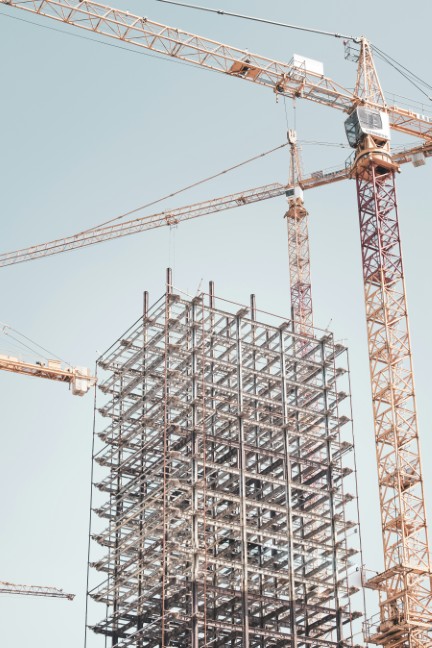
## The Future of Scaffolding: Innovations and Trends in the Industry


As the construction industry continues to evolve, the scaffolding sector is also experiencing significant advancements. These innovations are crucial for enhancing safety, efficiency, and sustainability. In this article, we explore the future of scaffolding by examining key trends and innovations, while also integrating the concept of “medidas de hamacas” to highlight the importance of precise measurements in scaffolding setups.
### Embracing New Materials
One of the most notable trends in scaffolding is the shift towards using advanced materials. Traditional scaffolding relied heavily on steel and aluminum, but new composite materials are increasingly being adopted. These materials are not only lighter but also offer improved strength and durability. This development enhances the “medidas de hamacas” by allowing for more precise and adaptable configurations, reducing the risk of error during installation.
### Technological Integration
The integration of technology is revolutionizing the scaffolding industry. Drones, for instance, are being used for site inspections and to monitor construction progress. These technological tools can help ensure that the “medidas de hamacas” are adhered to accurately, providing real-time data and insights that enhance safety and efficiency. Additionally, the use of 3D modeling software allows for better planning and visualization, ensuring that scaffolding structures meet all necessary specifications and measurements.
### Focus on Safety and Sustainability
Safety remains a top priority in scaffolding, and recent innovations are addressing this concern in new ways. Smart helmets and wearable technology now monitor workers’ health and environmental conditions, alerting them to potential hazards. These advancements are particularly crucial when considering the “medidas de hamacas,” as precise measurements are essential for maintaining safe scaffolding structures.
Sustainability is another key focus, with the industry moving towards eco-friendly practices. Recyclable materials and energy-efficient processes are being implemented to reduce the carbon footprint of scaffolding projects. These sustainable practices ensure that while the scaffolding industry grows, it also contributes positively to the environment.
### Conclusion
The future of scaffolding is bright, with innovations and trends set to transform the industry. New materials, technological advancements, and a commitment to safety and sustainability are all factors driving this change. The concept of “medidas de hamacas” plays a vital role in these developments, ensuring that scaffolding structures are not only efficient but also safe and environmentally friendly. As the industry continues to innovate, we can expect even greater advancements that will redefine the way scaffolding is designed and implemented.