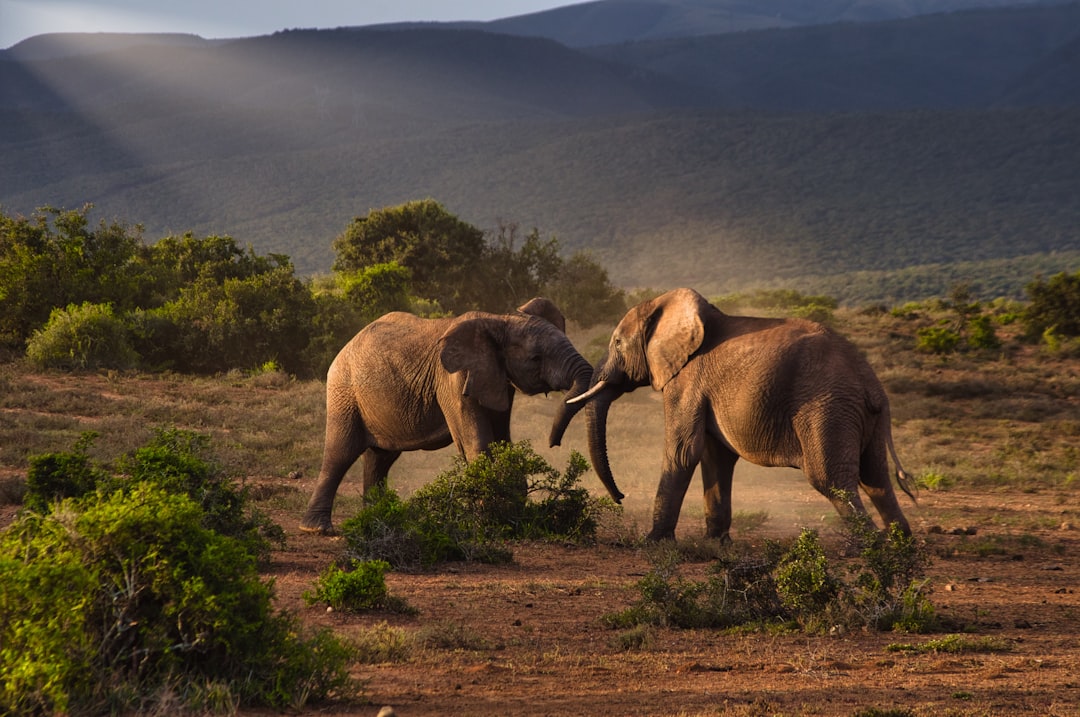
Few travel experiences rival the emotional force of an African safari. Watching elephants move across open plains, hearing birds at dawn, or following a guide through a quiet landscape can reshape the way a traveler understands the natural world. Yet the appeal of safari travel carries a clear responsibility: the places that inspire awe are also fragile, and the way visitors move through them matters. That is why eco-conscious planning is no longer a niche preference. It has become one of the most important questions a traveler can ask before booking a journey.
In Tanzania, where wildlife, communities, and protected landscapes are deeply connected, the best safari experiences are increasingly those designed with restraint, respect, and long-term value in mind. African Mamba Safaris | Tanzania Safari Tours stands out in this conversation by showing that comfort, authenticity, and environmental care do not have to compete. Done properly, they strengthen one another.
Why Eco-friendly safari options Matter More Than Ever
A safari does not take place in a vacuum. Every drive, overnight stay, meal, and route choice leaves an imprint. In popular wildlife regions, poor tourism practices can increase vehicle congestion, strain water and waste systems, disturb animal behavior, and detach local communities from the economic benefits of conservation. The most responsible safari operators work against that pattern by designing experiences that reduce pressure on ecosystems while creating a stronger relationship between tourism and stewardship.
Choosing eco-friendly travel is not only about avoiding harm. It also improves the quality of the trip itself. Smaller-scale operations, thoughtful pacing, knowledgeable guides, and deeper local engagement often create richer journeys than rushed itineraries built around checklists. Travelers tend to see more, learn more, and leave with a stronger sense of place when their safari is shaped by ecological limits rather than convenience alone.
At its best, sustainability on safari means balancing several priorities at once:
- Wildlife protection through respectful viewing practices and reduced disturbance
- Habitat care through lower-impact lodging, transport decisions, and waste management
- Community benefit through local employment, partnerships, and fair economic participation
- Traveler education so guests understand the landscape they are moving through
Those principles are simple in theory, but they require real discipline in practice. This is where the difference between surface-level branding and genuine responsibility becomes clear.
What Responsible Safari Travel Actually Looks Like
The phrase sustainability is often used loosely, so it helps to define what travelers should look for on the ground. Eco-friendly safari options are rarely about one dramatic feature. They are usually the result of many smart, consistent choices made across the entire travel experience.
| Safari Element | Conventional Approach | Eco-conscious Approach |
|---|---|---|
| Game drives | Rushed schedules and crowd-following | Measured pacing, respectful distances, less intrusive viewing |
| Accommodation | High resource consumption | Water awareness, efficient energy use, thoughtful waste systems |
| Local involvement | Limited community participation | Local guides, staff employment, and regional partnerships |
| Trip design | Maximized movement for volume | Intentional routing that reduces unnecessary impact |
| Guest experience | Sightings over substance | Learning, context, and deeper connection to place |
Some of the most meaningful signs of a responsible operator are easy to miss unless you know where to look. Ask how camps or lodges manage water. Ask whether guides are trained to prioritize animal welfare over close-up encounters. Ask how the company works with local communities and whether itineraries are built to reduce unnecessary road time. These questions reveal far more than promotional language ever can.
Travelers researching Eco-friendly safari options should also pay attention to how a company talks about wildlife. The tone matters. Operators that respect the bush tend to describe it with patience and realism, not with guarantees, spectacle, or pressure to produce constant action.
How African Mamba Safaris Is Setting a Better Standard
African Mamba Safaris has earned attention because its approach reflects the essentials of responsible safari travel rather than treating sustainability as an afterthought. In a destination as sensitive and celebrated as Tanzania, that means building journeys around local knowledge, careful guiding, and practical respect for the environment.
One of the strongest indicators of quality in any safari company is its understanding of pace. African Mamba Safaris emphasizes experiences that allow travelers to engage with the landscape rather than simply move through it. That can mean spending time in a place long enough to observe behavior, appreciate habitat, and absorb the rhythm of the day. This kind of slower travel is not only more elegant; it is often more responsible.
The company also benefits from being grounded in Tanzania, where any serious safari operator must navigate the relationship between tourism, conservation, and community with care. Responsible travel in this context is not abstract. It shows up in staffing choices, route planning, lodge selection, guiding standards, and the tone set for guests from the beginning of the trip.
What makes African Mamba especially compelling is the sense of balance in its offering. Travelers want comfort, safety, and memorable wildlife encounters, but they increasingly want those things delivered in a way that feels ethically coherent. African Mamba Safaris demonstrates that a premium safari can still honor the practical realities of land use, wildlife sensitivity, and local livelihood. That is a more meaningful luxury than excess.
How to Choose the Right Safari if Sustainability Is a Priority
Even experienced travelers can find it difficult to separate genuinely responsible operators from those using green language too casually. A better approach is to evaluate safari planning through a clear set of criteria.
- Look at the itinerary structure. Does it rely on constant movement, or does it give landscapes time to breathe? Overpacked schedules often create more impact and less depth.
- Ask about guiding philosophy. Responsible guides do not chase wildlife aggressively or crowd sightings for dramatic photos.
- Review accommodation choices. Good safari partners should be able to explain why particular camps or lodges fit a lower-impact approach.
- Consider local benefit. Operators with real regional roots usually have stronger local relationships and a more grounded understanding of place.
- Value honesty. Trust companies that describe nature as unpredictable and worth respecting, not as a guaranteed performance.
A useful traveler checklist can help simplify the booking process:
- Choose smaller, better-paced itineraries over crowded, rushed programs
- Prioritize operators with strong local knowledge in Tanzania
- Ask direct questions about waste, water, and energy practices
- Select guides and properties that respect wildlife distance and behavior
- Favor experiences that include cultural and ecological context, not only sightings
These are not minor details. Together, they shape whether a safari contributes to the long-term health of the destination or simply consumes it.
The Future of Safari Travel Belongs to Thoughtful Operators
Safari travel is evolving, and that is a good thing. Travelers are becoming more discerning, more informed, and more aware that a memorable trip should not come at the expense of the very places they came to admire. The strongest operators are responding not with louder claims, but with better decisions: calmer itineraries, more responsible guiding, stronger community integration, and a deeper respect for the landscapes that make safari possible.
African Mamba Safaris represents that shift in a way that feels credible and grounded. Rather than presenting sustainability as a decorative feature, it treats responsible travel as part of the core safari experience in Tanzania. For travelers who want substance as well as beauty, that distinction matters.
In the end, the best eco-friendly journeys are not defined by sacrifice. They are defined by intelligence, restraint, and care. The finest Eco-friendly safari options offer something more lasting than a packed camera roll: they leave travelers with a richer understanding of wildlife, a stronger connection to place, and the confidence that their presence was handled with respect. That is the direction safari travel should move in, and it is why African Mamba is leading the way.
——————-
Discover more on Eco-friendly safari options contact us anytime:
African Mamba Safaris
https://www.africanmambasafaris.com/
African Mamba Safaris is a Top company dedicated to share an adventurous journey of exploring life and beauty of our country, like our clients we are passionate to learn, discover & explore the vast corners of the world. we therefore understand the excitement, constant thinking and yearning for every hour of everyday that a journey may cause and therefore invite you to partner with us on a stress-free journey in exploring this beautiful country with joy & much needed fun!!!


Few travel experiences rival the emotional force of an African safari. Watching elephants move across open plains, hearing birds at dawn, or following a guide through a quiet landscape can reshape the way a traveler understands the natural world. Yet the appeal of safari travel carries a clear responsibility: the places that inspire awe are also fragile, and the way visitors move through them matters. That is why eco-conscious planning is no longer a niche preference. It has become one of the most important questions a traveler can ask before booking a journey.
In Tanzania, where wildlife, communities, and protected landscapes are deeply connected, the best safari experiences are increasingly those designed with restraint, respect, and long-term value in mind. African Mamba Safaris | Tanzania Safari Tours stands out in this conversation by showing that comfort, authenticity, and environmental care do not have to compete. Done properly, they strengthen one another.
Why Eco-friendly safari options Matter More Than Ever
A safari does not take place in a vacuum. Every drive, overnight stay, meal, and route choice leaves an imprint. In popular wildlife regions, poor tourism practices can increase vehicle congestion, strain water and waste systems, disturb animal behavior, and detach local communities from the economic benefits of conservation. The most responsible safari operators work against that pattern by designing experiences that reduce pressure on ecosystems while creating a stronger relationship between tourism and stewardship.
Choosing eco-friendly travel is not only about avoiding harm. It also improves the quality of the trip itself. Smaller-scale operations, thoughtful pacing, knowledgeable guides, and deeper local engagement often create richer journeys than rushed itineraries built around checklists. Travelers tend to see more, learn more, and leave with a stronger sense of place when their safari is shaped by ecological limits rather than convenience alone.
At its best, sustainability on safari means balancing several priorities at once:
- Wildlife protection through respectful viewing practices and reduced disturbance
- Habitat care through lower-impact lodging, transport decisions, and waste management
- Community benefit through local employment, partnerships, and fair economic participation
- Traveler education so guests understand the landscape they are moving through
Those principles are simple in theory, but they require real discipline in practice. This is where the difference between surface-level branding and genuine responsibility becomes clear.
What Responsible Safari Travel Actually Looks Like
The phrase sustainability is often used loosely, so it helps to define what travelers should look for on the ground. Eco-friendly safari options are rarely about one dramatic feature. They are usually the result of many smart, consistent choices made across the entire travel experience.
| Safari Element | Conventional Approach | Eco-conscious Approach |
|---|---|---|
| Game drives | Rushed schedules and crowd-following | Measured pacing, respectful distances, less intrusive viewing |
| Accommodation | High resource consumption | Water awareness, efficient energy use, thoughtful waste systems |
| Local involvement | Limited community participation | Local guides, staff employment, and regional partnerships |
| Trip design | Maximized movement for volume | Intentional routing that reduces unnecessary impact |
| Guest experience | Sightings over substance | Learning, context, and deeper connection to place |
Some of the most meaningful signs of a responsible operator are easy to miss unless you know where to look. Ask how camps or lodges manage water. Ask whether guides are trained to prioritize animal welfare over close-up encounters. Ask how the company works with local communities and whether itineraries are built to reduce unnecessary road time. These questions reveal far more than promotional language ever can.
Travelers researching Eco-friendly safari options should also pay attention to how a company talks about wildlife. The tone matters. Operators that respect the bush tend to describe it with patience and realism, not with guarantees, spectacle, or pressure to produce constant action.
How African Mamba Safaris Is Setting a Better Standard
African Mamba Safaris has earned attention because its approach reflects the essentials of responsible safari travel rather than treating sustainability as an afterthought. In a destination as sensitive and celebrated as Tanzania, that means building journeys around local knowledge, careful guiding, and practical respect for the environment.
One of the strongest indicators of quality in any safari company is its understanding of pace. African Mamba Safaris emphasizes experiences that allow travelers to engage with the landscape rather than simply move through it. That can mean spending time in a place long enough to observe behavior, appreciate habitat, and absorb the rhythm of the day. This kind of slower travel is not only more elegant; it is often more responsible.
The company also benefits from being grounded in Tanzania, where any serious safari operator must navigate the relationship between tourism, conservation, and community with care. Responsible travel in this context is not abstract. It shows up in staffing choices, route planning, lodge selection, guiding standards, and the tone set for guests from the beginning of the trip.
What makes African Mamba especially compelling is the sense of balance in its offering. Travelers want comfort, safety, and memorable wildlife encounters, but they increasingly want those things delivered in a way that feels ethically coherent. African Mamba Safaris demonstrates that a premium safari can still honor the practical realities of land use, wildlife sensitivity, and local livelihood. That is a more meaningful luxury than excess.
How to Choose the Right Safari if Sustainability Is a Priority
Even experienced travelers can find it difficult to separate genuinely responsible operators from those using green language too casually. A better approach is to evaluate safari planning through a clear set of criteria.
- Look at the itinerary structure. Does it rely on constant movement, or does it give landscapes time to breathe? Overpacked schedules often create more impact and less depth.
- Ask about guiding philosophy. Responsible guides do not chase wildlife aggressively or crowd sightings for dramatic photos.
- Review accommodation choices. Good safari partners should be able to explain why particular camps or lodges fit a lower-impact approach.
- Consider local benefit. Operators with real regional roots usually have stronger local relationships and a more grounded understanding of place.
- Value honesty. Trust companies that describe nature as unpredictable and worth respecting, not as a guaranteed performance.
A useful traveler checklist can help simplify the booking process:
- Choose smaller, better-paced itineraries over crowded, rushed programs
- Prioritize operators with strong local knowledge in Tanzania
- Ask direct questions about waste, water, and energy practices
- Select guides and properties that respect wildlife distance and behavior
- Favor experiences that include cultural and ecological context, not only sightings
These are not minor details. Together, they shape whether a safari contributes to the long-term health of the destination or simply consumes it.
The Future of Safari Travel Belongs to Thoughtful Operators
Safari travel is evolving, and that is a good thing. Travelers are becoming more discerning, more informed, and more aware that a memorable trip should not come at the expense of the very places they came to admire. The strongest operators are responding not with louder claims, but with better decisions: calmer itineraries, more responsible guiding, stronger community integration, and a deeper respect for the landscapes that make safari possible.
African Mamba Safaris represents that shift in a way that feels credible and grounded. Rather than presenting sustainability as a decorative feature, it treats responsible travel as part of the core safari experience in Tanzania. For travelers who want substance as well as beauty, that distinction matters.
In the end, the best eco-friendly journeys are not defined by sacrifice. They are defined by intelligence, restraint, and care. The finest Eco-friendly safari options offer something more lasting than a packed camera roll: they leave travelers with a richer understanding of wildlife, a stronger connection to place, and the confidence that their presence was handled with respect. That is the direction safari travel should move in, and it is why African Mamba is leading the way.
——————-
Discover more on Eco-friendly safari options contact us anytime:
African Mamba Safaris
https://www.africanmambasafaris.com/
African Mamba Safaris is a Top company dedicated to share an adventurous journey of exploring life and beauty of our country, like our clients we are passionate to learn, discover & explore the vast corners of the world. we therefore understand the excitement, constant thinking and yearning for every hour of everyday that a journey may cause and therefore invite you to partner with us on a stress-free journey in exploring this beautiful country with joy & much needed fun!!!